"Behind the Shots: Preparing for a Photography Expedition to Iceland"
How I Planned My Landscape Photography Trip to Iceland – April 2024:
A Practical Guide Based on Experience
Iceland is one of those bucket-list destinations for every landscape photographer. But doing it right—especially in a month like April—requires detailed planning. In this guide, I’ll walk you through how I planned and executed my photo trip: the gear I brought, how I dressed for the unpredictable weather, which locations I chose, and the key lessons I learned along the way. Everything is based on real-world experience, with a professional yet practical approach that I hope will help you plan a similar adventure.
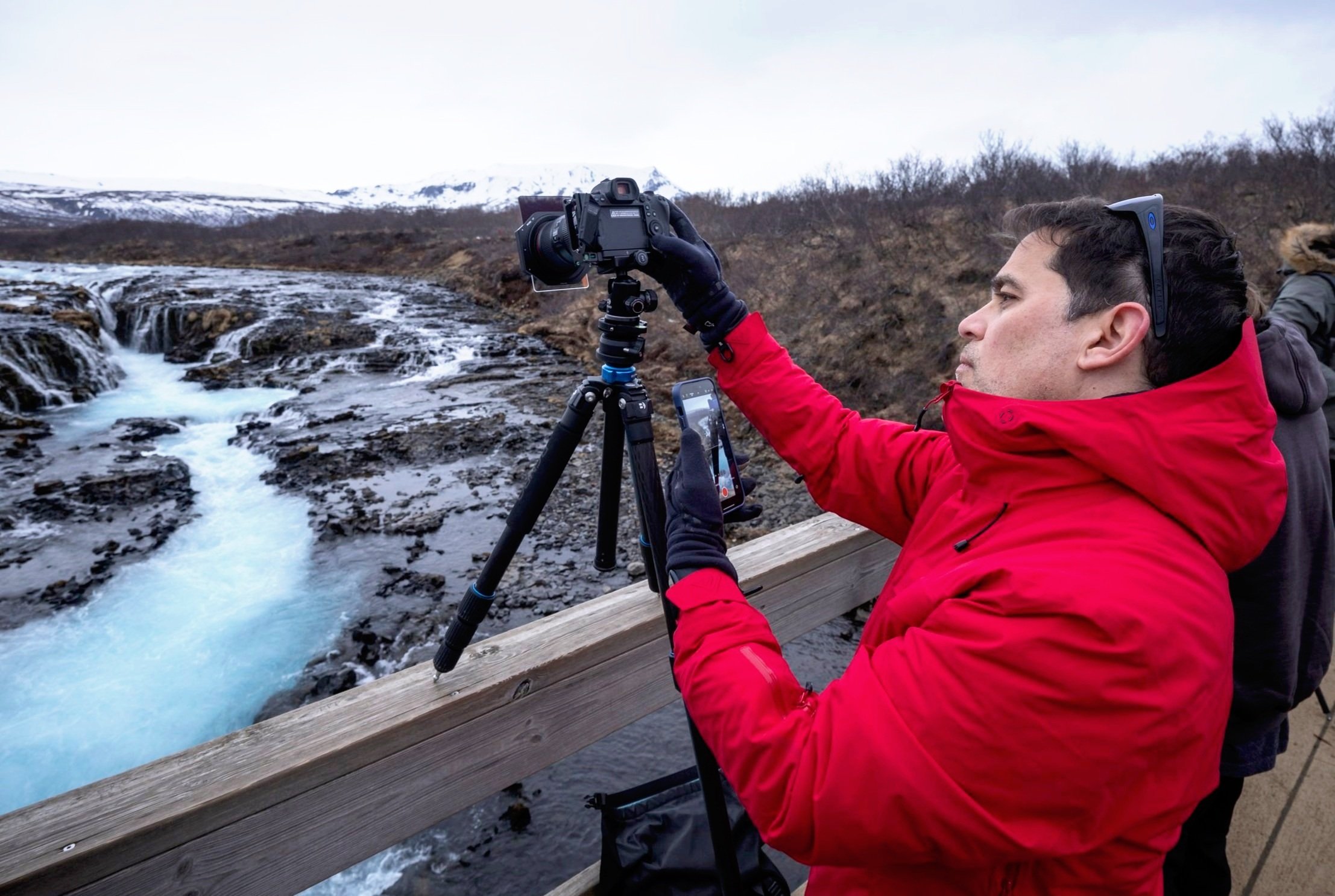
Brúarfoss
“Every image starts long before the shutter clicks—this is where preparation meets instinct.”
1. Photography Gear: Functionality and Versatility Above All
When traveling to remote, extreme destinations, every gram counts. My gear had to be complete enough to handle different lighting, weather, and landscapes, but not so bulky that it weighed me down.
Main cameras and lenses:
Canon EOS R6– My primary camera, perfect for its dynamic range and high resolution.
Lenses: 16–35mm f/4 and 70–200mm f/4.
Key accessories:
NiSi V7 filter system (NDs, GNDs, polarizers): Essential for capturing dramatic skies without compromising exposure or color.
Carbon fiber tripod BENRO – Lightweight but stable, crucial for long exposures in windy conditions.
DJI Mavic 3 Classic drone – Allowed me to capture otherwise impossible perspectives.
DJI Osmo Pocket 3 – Ideal for BTS footage and vlog-style content with minimal setup.
Fast memory cards, SSD backups, and extra batteries – Cold temperatures drain battery life fast.
Pro tip:
Always keep your spare batteries in an inside pocket close to your body to keep them warm and extend performance.
2. Technical Clothing: Layer Up or Give Up
April in Iceland brings a mix of winter and spring conditions: rain, snow, wind, and occasionally some sun. Layering is the name of the game.
Base layers:
Breathable merino wool tops and thermal leggings.
Mid layers:
Fleece or synthetic insulation like Primaloft.
Lightweight down vest for colder areas.
Outer shell:
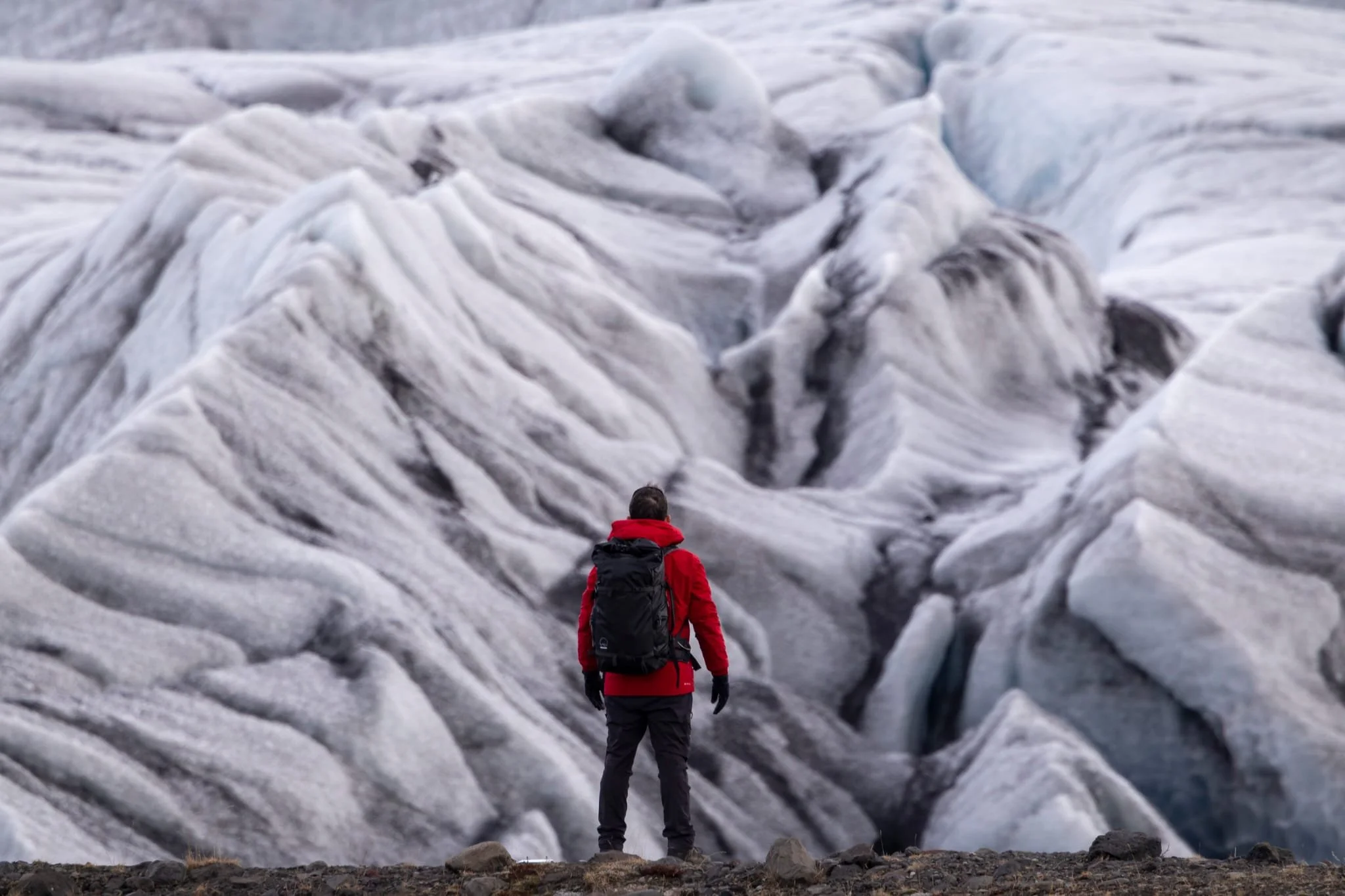
Cortazu All Weather Jacket – Waterproof, windproof, breathable. My best protection against Iceland’s harshest elements.
Waterproof technical pants.
Insulated, waterproof boots with grippy soles (Vibram or similar).
Beanie, neck gaiter, waterproof gloves with touchscreen capability, and thick wool socks.
Pro tip:
Don’t underestimate the wind. Wind chill can make 5°C feel like -10°C.